The Past Is Our Future
(in some places...like the Bowtie)

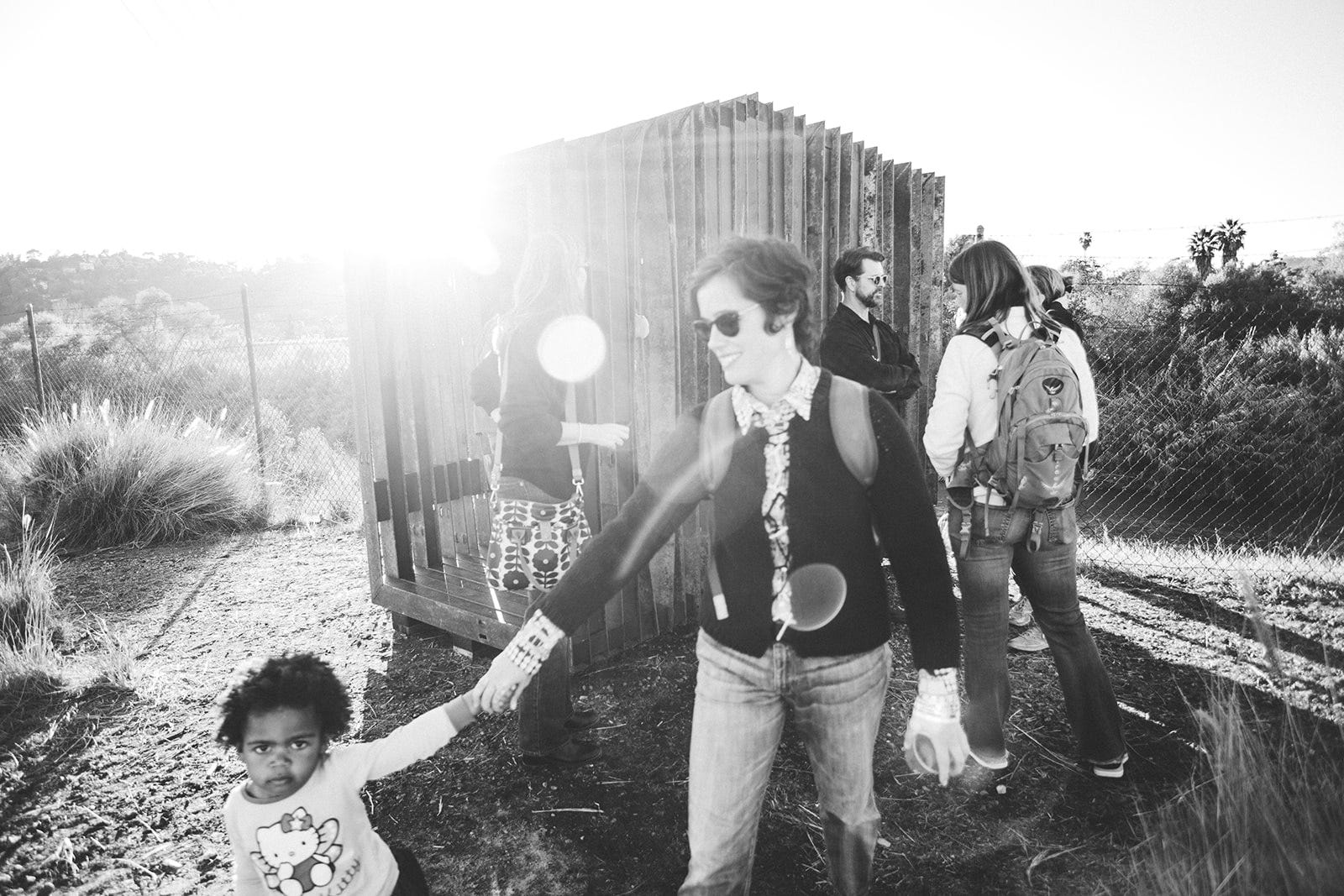
Ten years ago, when I first spent a lot of time at the Bowtie, it was an unknown landscape to me. Back then, in 2014, I didn’t have a memory-bank of experiences to draw from on this piece of land. The contours of this 18-acre site, the little undiscovered pockets, the view that it provides of the river of migrating birds and of the surrounding hills, the rhythm of seasons, the smell of the plants, and most of all the feeling of empty space in the middle of a big city were foreign to me.


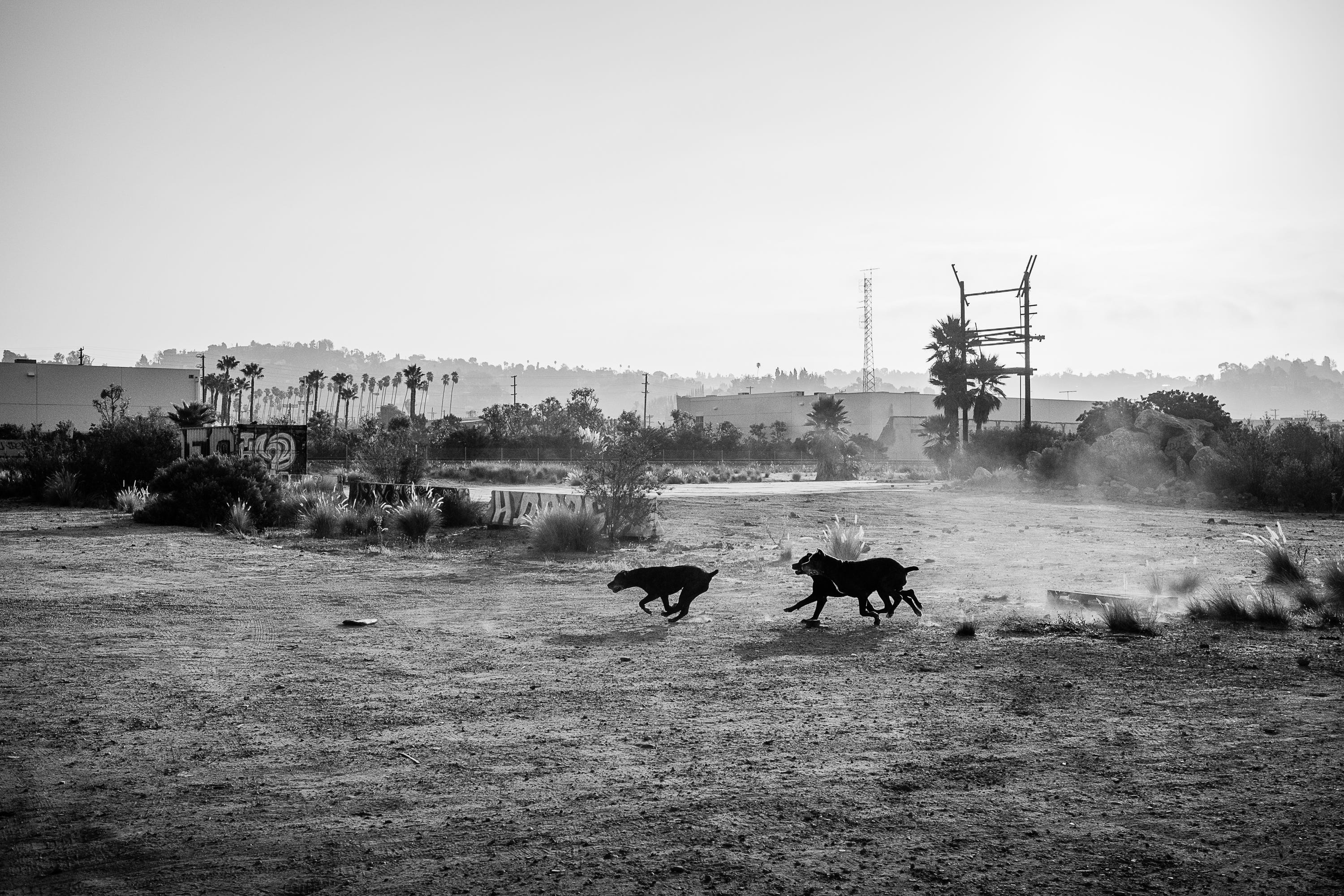
Over the years, across multiple artist commissions, family programs, campouts, campfires, I gained a lot of understanding of this post-industrial, past-is-our-future landscape of 18 acres of seemingly forgotten land. I noticed that it served as a home and respite for groups of people who are continually pushed out—houseless people and teenagers. People also used it as an illegal dumping site, a place to party with no oversight from the police, or a place to rest during lunch hour. Dog walkers, dirt bike riders, dumpers and passers-by in Northeast LA have been partying, living and dying there. It has been a space of freedom.
Freedom in our society also has a dark side. After the presidential election in 2016 there was an uptick in graffitti with hate speech. A porta-potty that we had on site for a program was first covered with language that referenced lynching and swastikas. I was surprised—shocked even. But when I called out the police to report this crime, they were nonplussed. “We see this all the time,” they told me. Right, of course, I thought. It was just me who had never seen this at the Bowtie.
I could perseverate on the problems of our slow-moving government which let this land sit for 20 years, or maybe, I could look at this as some opportunity to learn about what nature and humans do when allowed to do their thing.
Soon all will change.
This summer, The Nature Conservancy will break ground on their Wetland Demonstration Project which will open up a storm drain that runs under the land at the Bowtie so the water that would otherwise run out to sea can be recaptured, filtered, and directed to flow back into the ground.
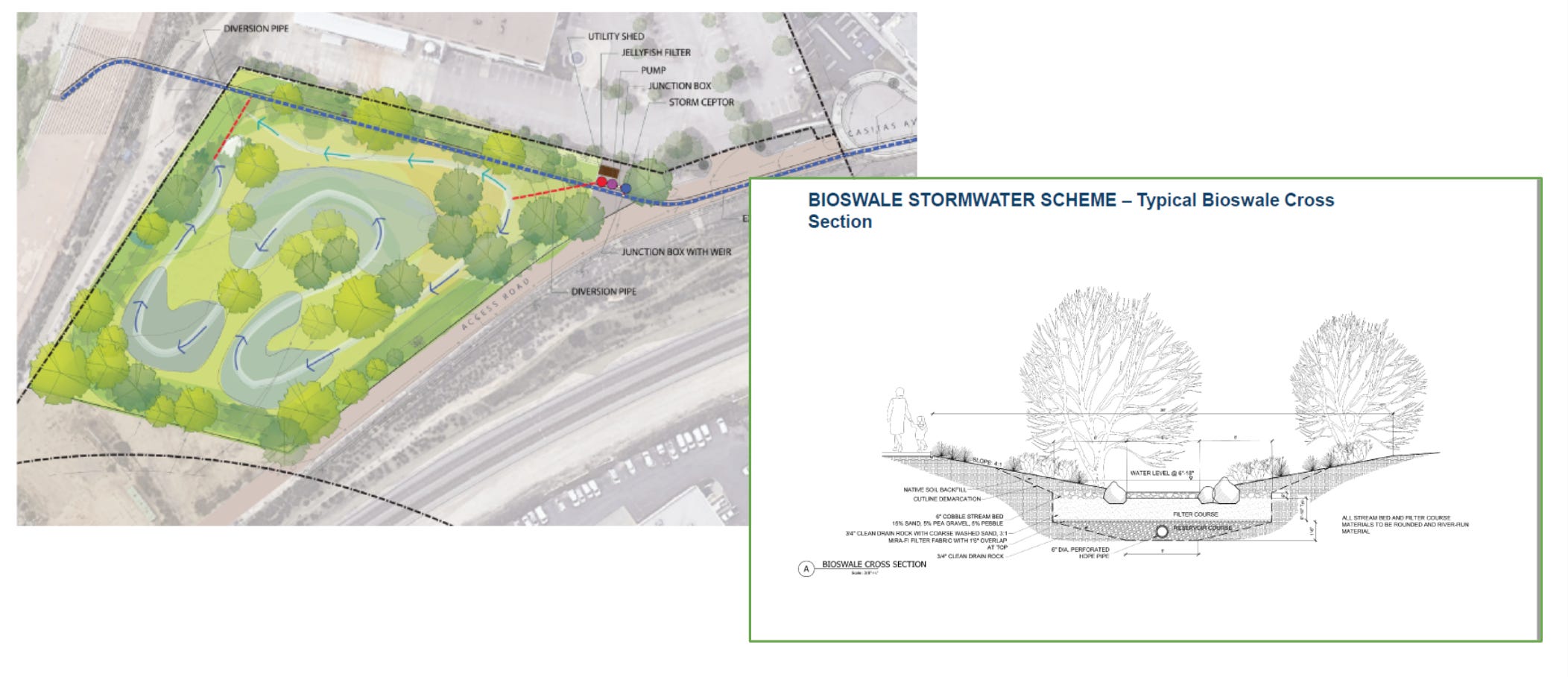
This project has taken years—not a full decade!—but years, to fund, plan and implement. This is the type of project that we want to see happening all up and down the LA River channel, but because of urbanization and our over-built environment, we probably won’t. The land ownership along the river is too built up, too privatized, and not spacious enough to let nature do what it should.
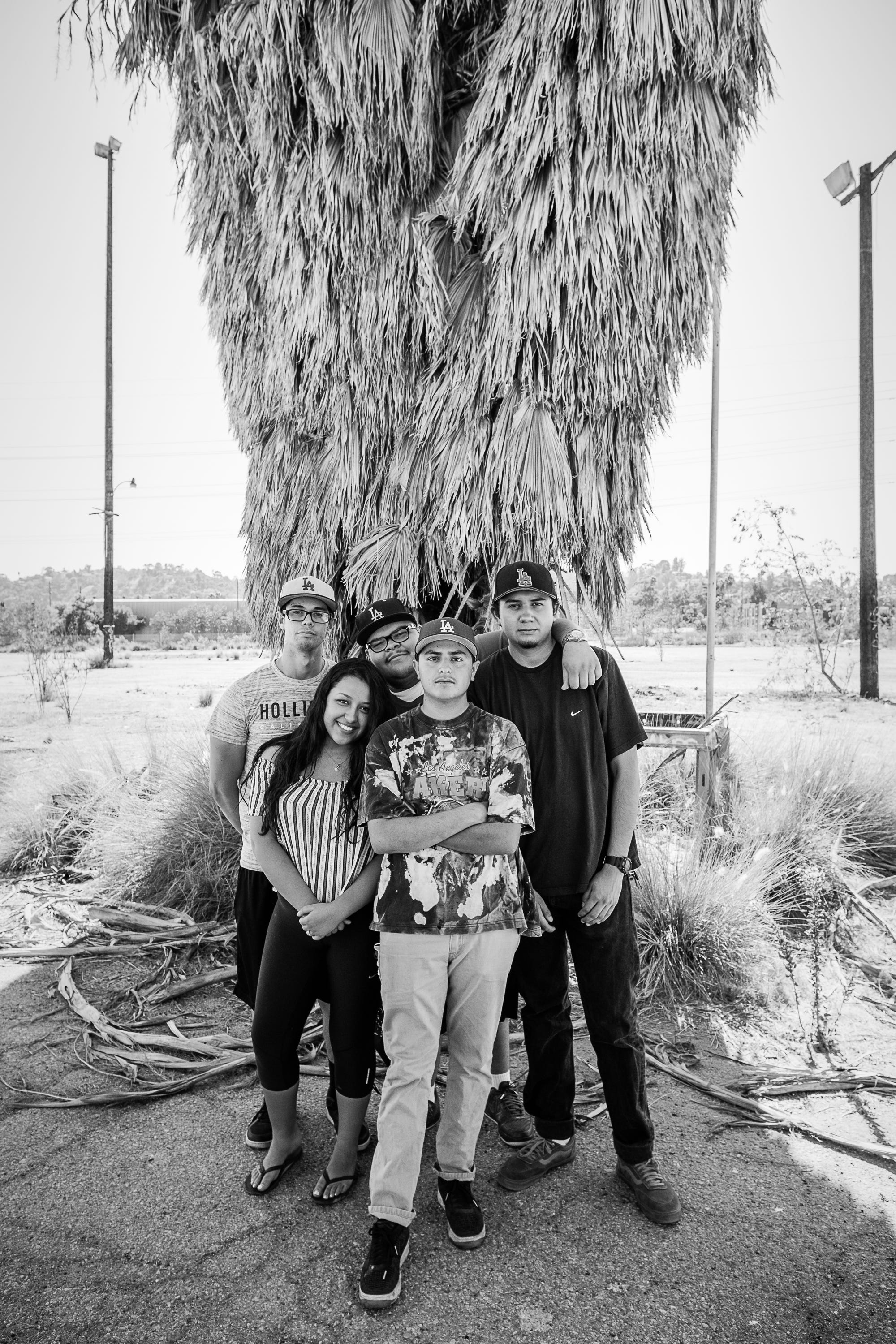
One of my favorite projects that we did at the Bowtie was South of Fletcher—a podcast and photographic series—created by Rux Guidi and Bear Guerra who work together as Fonografia Collective. So many episodes of that series stick with me but most especially the story LONG LIVE RYAN about Ryan Coreas, a teenager who was hit by a car and killed on Fletcher Drive as he walked to get a beverage at the liquor store.
Rux and Bear tracked down Ryan’s friends and family and learned more about what the Bowtie space meant to them.
Rux Guidi now lives in Arizona where she works as a journalist. She reflected back on her time at the Bowtie in this article for High Country News on degrowth as a possible solution to dealing with our serious environmental problems. When conducting outreach for South of Fletcher, both Rux and Bear found that for residents “open land [has] an intangible worth, people wanted to learn more about the land’s history, and they wanted to be part of the process of keeping it in public hands.”
I reached out to Rux via email to ask her about what she misses about living in LA. Below is a short Q&A with her reflecting on her time living here.
JM: If you could save one spot in LA from development, what would it be?
RG: LA is believed to have around 40,000 acres of vacant land or “undeveloped land”—I’d love to see something creative and generative done with those urban pockets. Instead of more buildings, could they become parks or public pools or small farms?
JM: Where was your favorite escape to nature place when you lived in LA?
RG: My favorite place was Mt. Wilson trail in the San Gabriel Mountains, or further south, Crystal Cove State Park.
JM: What do you miss most about living in LA?
RG: I miss the golden light in the afternoon, seeing the lush vegetation on every sidewalk, the parrots’ racket in our old local park, and smelling the Pacific Ocean as we got closer to the west side.