
Espectáculo!
Transformation and continuity at Los Candiles Nightclub

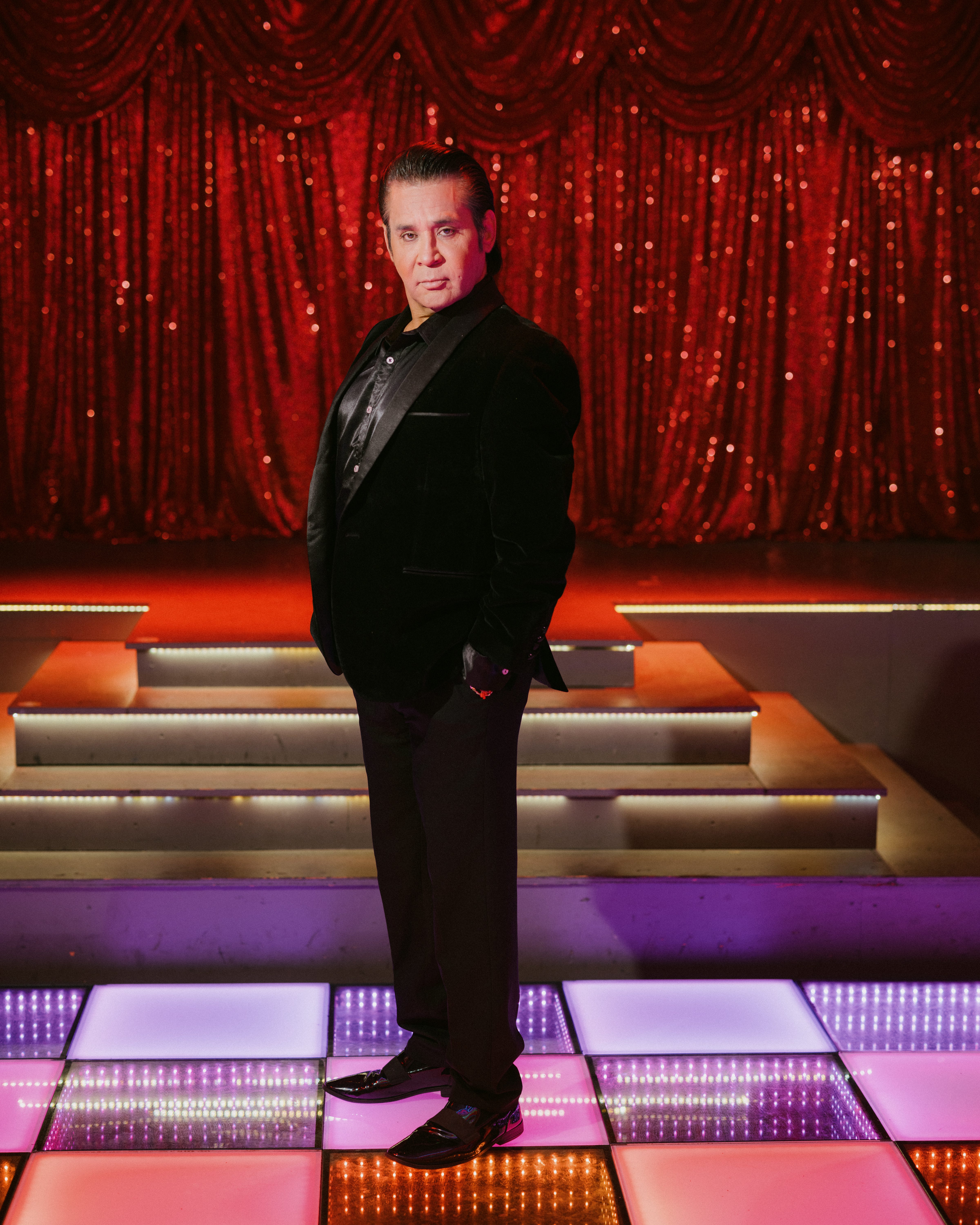
Marco Ortiz is a transformer. He’s known for his famous impersonations of Latino musical superstars such as El Mimoso, José Luis Rodríguez “El Puma”, Vicente Fernàndez, and most notably as Juan Gabriel.
Throughout his career, he’s gotten calls to perform in New York, Puerto Rico, Miami, Chicago, San Francisco, and in LA’s very own Pershing Square, in front of a cheering crowd of thousands. Now you can find him, along with Shakira, Becky G, Rocio Durcal, Carin León, and other musical stars, at Los Candiles Nightclub in Glassell Park. Here on Fridays and Saturdays, they host an Espectáculo, a Vegas-style show with big feathers and sparkly outfits featuring various celebrity impersonators and a male-stripper!
These are not drag artists, they are impersonators, travestis. As Marco explains “es quien se transforma”, “someone who transforms” into the persona they are performing as. The impersonators take time to study their celebrity, their mannerisms, their style of dress or make-up in order to fully become that individual.
“Los transformistas usamos el cuerpo, usamos esponjas, fajas, maquillaje, sombreros…to transform and change.”
“We use our bodies, we use sponges, girdles, makeup, hats…to transform and change.”
There’s an overtly queer element to this profession, but as Juan Gabriel himself once said “Lo que se ve no se pregunta.” (Roughly translated: Don’t ask the obvious.)
Growing up, transformistas were one, if not the only, positive representation I had of queer individuals. I would see them performing at family parties or on TV to adoring audiences. They provided me visibility to queer possibilities for being and belonging, in a world that wasn’t so accepting. To be queer and Mexican is to carry two crosses.


For Marco, exploring Los Angeles nightlife in the 90s, the transformistas caught his attention as well. These performers transforming into various musical figures, almost as if by magic, sparked his interest.
“One day I went to a club and I saw that they performed very nicely and I said, “Oh, I love the way they work.” She taught me since I didn't have any experience. Another friend, Mara, brought me to Los Candiles. I learned everything working here. I used to perform only as Juan Gabriel but little by little I started [working with different looks] because we do makeup and we have to look like the artist. So after that I did Vicente Fernández. I do all the Mexican singers.”
I wonder what Mr. Fernández would have thought of Marco’s impersonation; he famously rejected a liver transplant near the end of his life over fear that the donor would be gay or a drug addict.
Marco began to perfect his craft and make a name for himself at the right time. The 90s and early 2000s were what some describe as the heyday of the impersonator scene in Los Angeles, especially in gay Latino nightclubs. There seemed to be so many clubs and opportunities for performers to entertain customers in Los Angeles and beyond. There was Plaza Salon, Circus Disco, Le Barcito, Club Tempo, Silver Platter, and Arena to name just a few. Of these only Plaza Salon and Club Tempo remain, the rest have closed down.
Marco puts it this way, “Existía Circus Disco, existía Le Barcito...pero se fueron, se extinguieron, se acabó su tiempo.”
“There was Circus Disco, there was Le Barcito…but they went away, they were wiped out, their time was up.”
Some of these nightclubs have closed either due to economic pressures or, as in the case of Le Barcito in Silverlake, gentrification. The shuttering of these venues meant that these performers had nowhere to entertain, and these important community spaces were lost to future generations.
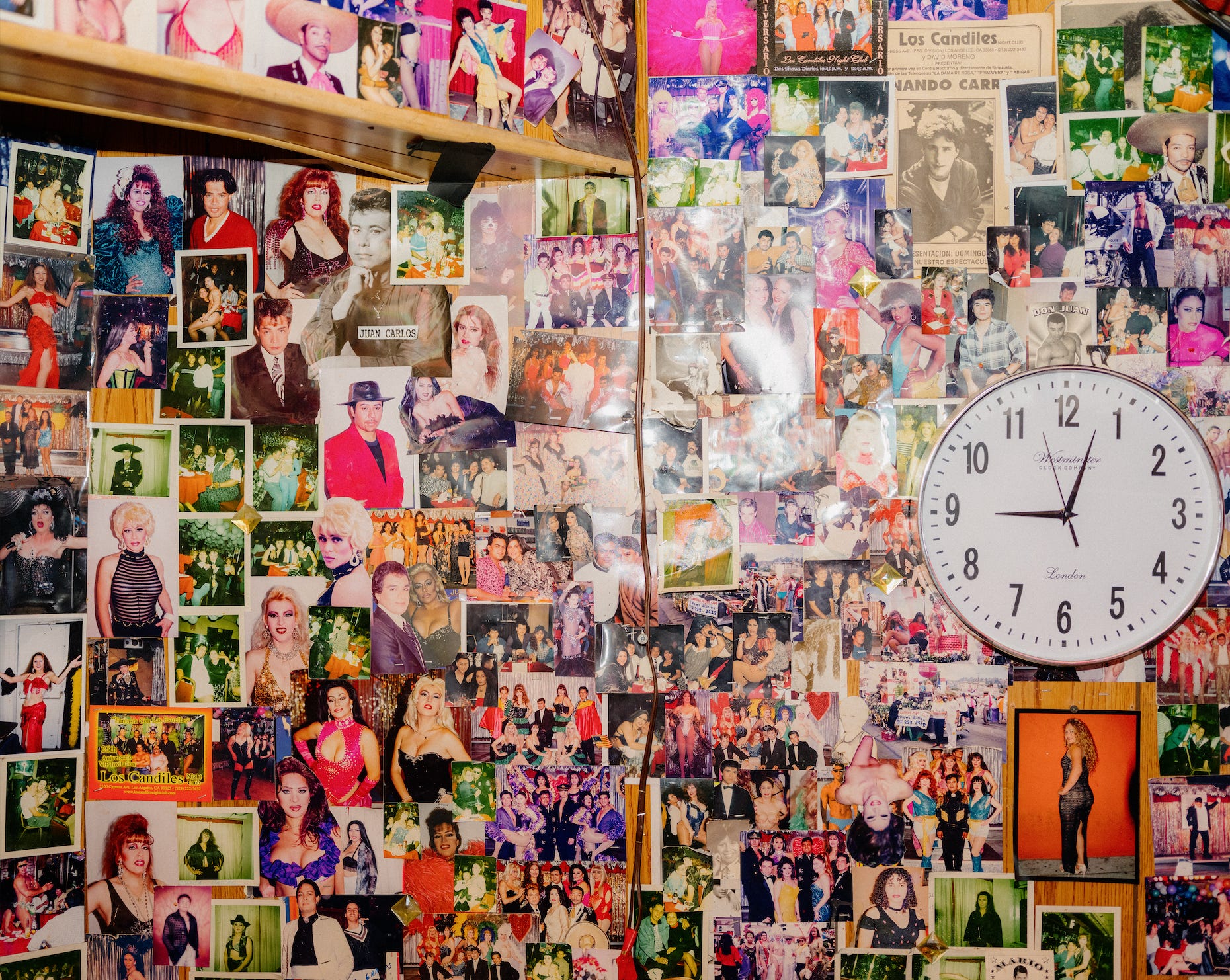
Queer spaces have long been liminal, existing for undefined periods of time often precariously. It’s no surprise that they come and go, but the impacts are felt more for queer communities of color, who might feel excluded from more mainstream gay venues. At nightclubs like Circus Disco or Arena, gay Latinos were creating community, placemaking, developing an understanding of what it meant to be gay and Latino, not either or. Now times are different.
“Nuestra comunidad, no somos unidos. Nos apoyamos en tiempos de que alguien se murió, pero somos unidos y desunidos. O sea, cuando les conviene.”
“Our community, we are not united. We support each other when someone passes away, but we are united and disunited. Only when it’s convenient.”
There’s not much that Marco can do to fix the ruptures he feels in the queer community, except nurture and mentor the next generation of performers. In sharing his knowledge and expertise, he hopes to instill in the next generation a sense of comradery, an hermandad that doesn’t only come out in times of loss but in abundance as well. In his new role as Creative Director for Los Candiles, he’s working to revamp the revue show that has been a mainstay at the club for the past thirty years.
“I'm starting a new era, a nueva Era. We are bringing people from before, from the past, from today. That’s what is Los Candiles. They [the owners] gave me the opportunity, they trust me to do the show, to be the lead of the show. That’s why I am here. “
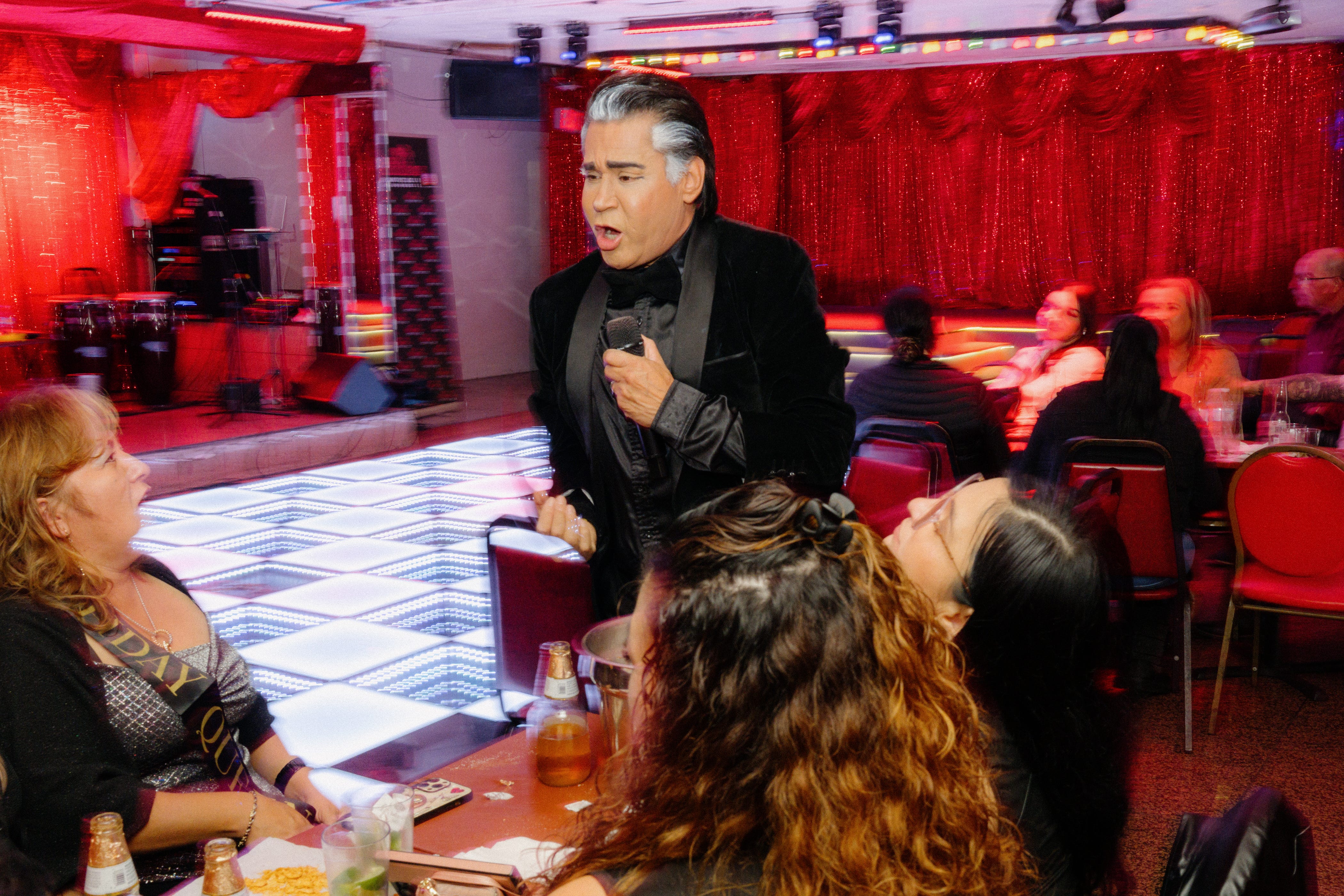
This new era is ambitious and Marco has one clear goal in mind, one that he’s not afraid to tackle. He wants Los Candiles to be the best club in Los Angeles, to kick-start those years of prosperity that launched his career and that of other performers and impersonators looking for opportunities. And whether intentional or not, in the process allow Los Candiles to function as a site of placemaking and community-building for queer neighbors who have already experienced the gentrification and the loss that comes with that process.
Since coming back as the director at Los Candiles, Marco has introduced many new elements and characters to the show and the reception so far has been positive.
“What I have in store for the future: I want all the people who come here to say, ‘Oh my God, Los Candiles has the best show ever.’ That's what I feel like is going to happen.
I love to hear that people appreciate our art. I love the people, how they smile, how they enjoy, and how they clap. That's the point to all this business.
If they're happy, I'm happy. My boss is happy and I'm happy. If they're okay, I'm okay.”
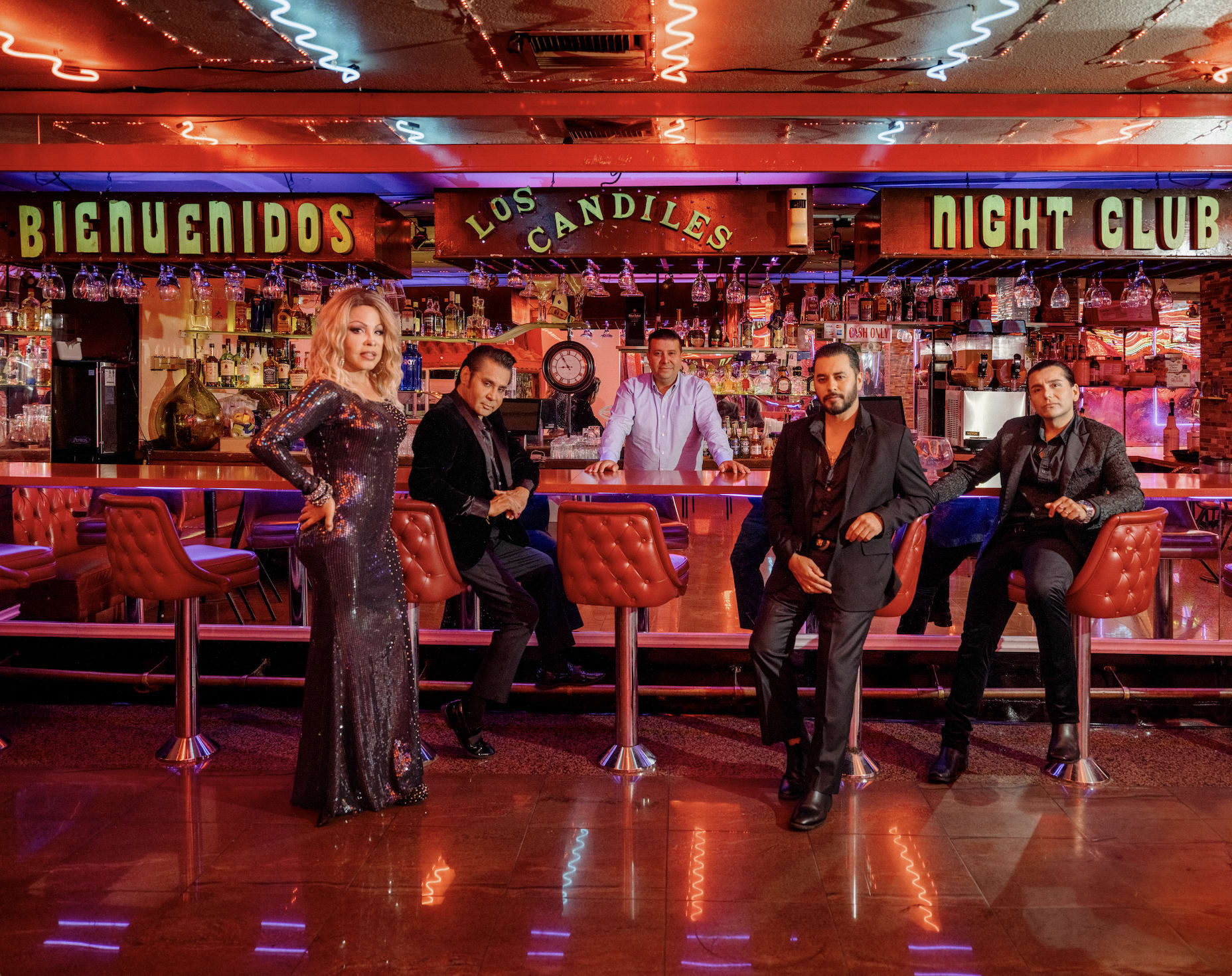
Visit Los Candiles Nightclub every weekend at 2100 Cypress Ave, Los Angeles, CA 90065.
Explore the cultural atlas at takemetoyourriver.org!